
How to Survive in Scavland
The wasteland kills the impatient long before it kills the unarmed.
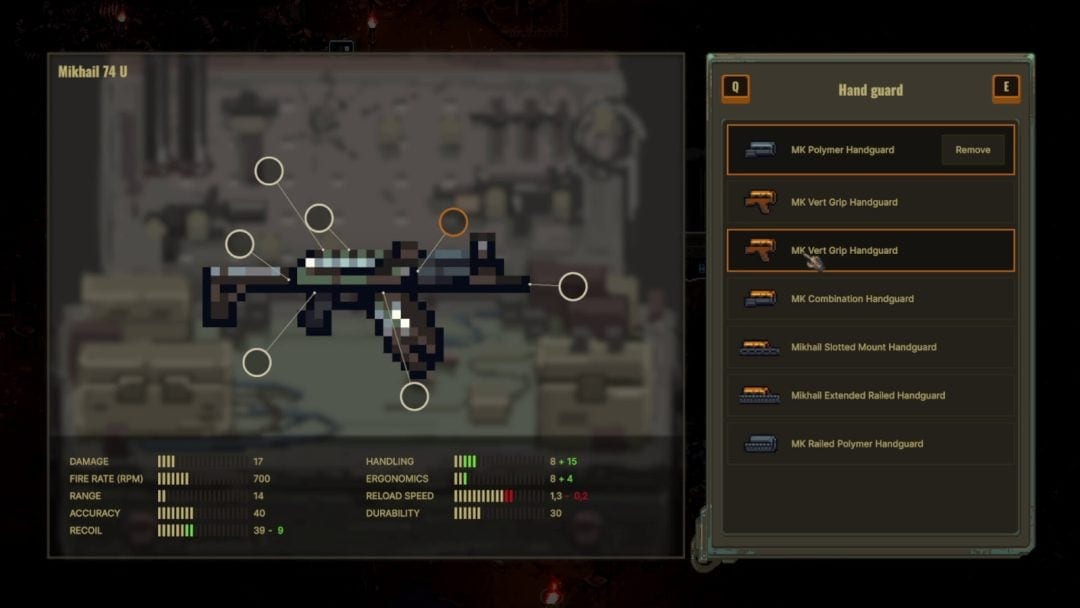
Survival is the title, not a flavour tag. Scavland will let a clean rifle and a full backpack still fail you if hunger, thirst, radiation, or the Mist get there first. This page is the biological and environmental half of the game. Combat is the other half. Read Getting Started if you have not left the scrapyard yet.
The body comes first
Public builds track health, hunger, and thirst as soon as the tutorial ends. Creators say they are starving while they still have bullets. That is the correct panic. Eat in town. Drink in town. Do not discover a missing bottle at the edge of a swamp.
Healing is not one button. Medkits handle chunks of damage. Bandages show up after human fights when bleeding is on the log. Right-click use is the pattern in keyboard footage. If you are swapping guns while you bleed, you have already lost the argument.
A rest area or workbench is a survival tool, not only a crafting bench. Cleaning kits repair anywhere; they work faster where you can put the rifle down. A jammed gun in a field is a survival problem. See combat for the jam itself and this page for why you packed the kit.
Radiation and water
Zalesye’s water is not a swimming minigame. Coverage of the game describes radiation in pools and wetlands, with movement speed dropping the deeper you wade. You can cut a map corner through a pond if you brought the right chems. You can also arrive at the far bank too slow to run from whatever followed you.
Some creatures will not enter the water. Some will. Terrain is a puzzle with inventory as the pieces. If you do not have radiation treatment, walk the long way. The beginner checklist treats anti-rad as a town purchase, not a nice-to-have.
Open ground is not safe either. The farther you travel from settlements, the nastier the world becomes. That is an official design line, not a metaphor. A high-pay job on the far side of the map is a survival check with a currency reward attached.
The Mist
The Mist is the setting’s original sin: a phenomenon that ravaged Zalesye, mutates life, and still creeps. Steam copy says it gets into your body from all angles. Thresholds to the south are described as birthplaces of the Mist that suck life out of the continent. You will hear about them before you should go there.
Treat the Mist like radiation with a plot. Do not stand in it to admire the pixel fog. Do not plan a sightseeing walk into a Threshold on day one. Act I is the first region plus systems, not a speedrun into the worst weather on the map. When you do go south, go with food, meds, a clean gun, and a reason. Bunkers underground can be a shelter or a tomb depending on what you packed.
Food, water, and the backpack
Calories are slots. Bread, sod-pop, and whatever a farmer will trade you are not vendor trash if your bar is empty. Over-stacking food you will not eat this trip is how you leave the bandage at home. Sort on the ground. Sell duplicate snacks. Keep one extra meal for the walk back, because the walk back is when fights happen.
Water is heavier than it looks when radiation is in the river. Bottled town water beats a clever refill. If a build lets you boil or filter, great; until a patch note says so on this wiki, assume you buy drinks from traders.
Weight is stealth and stamina by another name. A greedy pack makes you loud and slow. Stealth fails when every tin can rattles. Survival and stealth are the same decision: take less.
Weather, night, and the Life system
Surface Zalesye has a day-night cycle. Night is not only darker sprites. It is when you should already know the road. NoShadow also describes a Life system: NPCs, factions, and creatures move without you. Squads can spawn anywhere for hunt jobs. Animals claim territory. The world does not pause because you opened the map.
That means camping in a bush is not a strategy unless you can see. It also means a quiet field can grow a patrol. Check the journal, check the sky, leave before you are the event.
Settlements are the real save points
Towns, traders, and rest areas are how a Vulture resets the body. Repair, eat, sell, turn in a job, sleep if the build offers it. Then leave with a list, not a vibe. How to play is the loop. This page is the reason the loop exists.
If a settlement hates you, survival gets more expensive. Reputation is access to food and medicine, not only unique guns. Do not pick a fight with the only kitchen in walking distance.
A packing list that prevents most deaths
- Medkit and bandage
- Food and clean water for the round trip, not the one-way
- Radiation treatment if any water is on the route
- Cleaning kit
- Ammo for one gun, not three calibres
- A plan to turn around at the first serious bleed
The starting loadout page adds weapons. System requirements will not save you from the Mist, but they will save you from playing a slideshow while a mutant closes in.
Scavland’s survival systems are readable. They are also unforgiving if you treat them as HUD decorations. Look at the bars. Then walk.
Frequently Asked Questions
Quick answers to the most common questions.
What kills you first in Scavland?
Usually hunger, bleeding, a jammed gun, or radiation in water, not a boss. Pack for the body, then for the fight. See also combat.
Should I wade through radioactive water?
Only with treatment and a reason. Speed drops as you go deeper, and some enemies will still chase. The long road is cheaper than a clever corpse.
What is the Mist?
A deadly phenomenon that ruined Zalesye, mutates creatures, and remains a traversal hazard. Thresholds in the south are described as birthplaces of the Mist. Avoid them until you have a kit and a quest.
Do I need to manage hunger in town?
Yes. Eat and drink before you leave. The tutorial already nags you for a reason.