
Scavland Weapons and Attachments
300+ parts. Only some of them are worth your inventory.
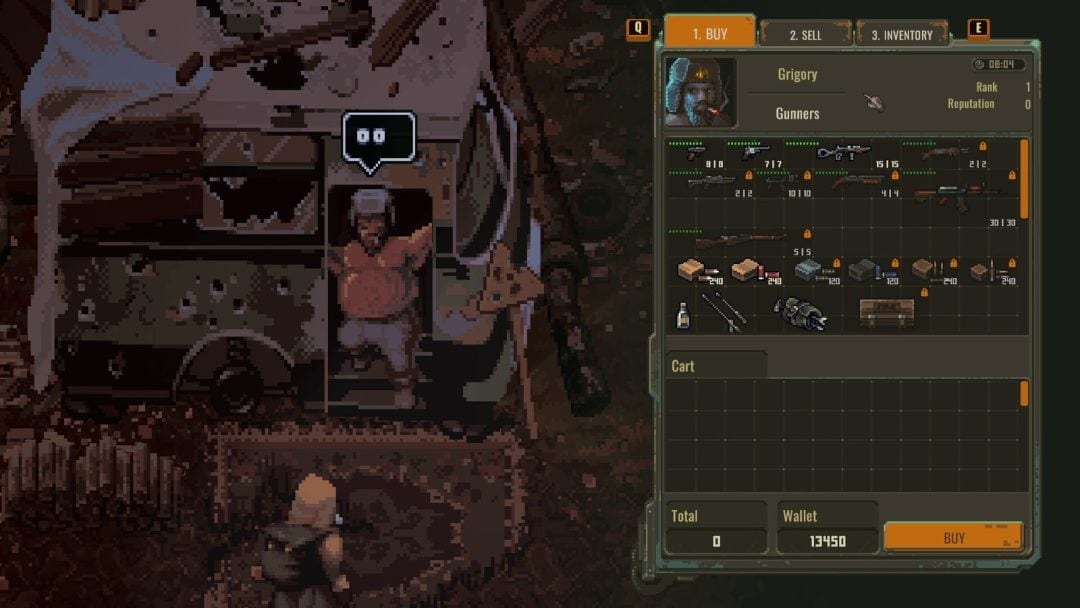
Scavland lists 300+ attachments in Early Access. That is not a feature. It is a sorting problem. This page is how to read attachment categories, understand what each does, and build a kit that fires without spending the whole session in a menu.
The weapon tier list ranks guns by role. This page is what happens after you pick a gun.
Attachment categories
Scavland’s 300+ parts fall into five categories:
Magazines — capacity, reload speed, calibre compatibility. A bigger magazine is not always better. A 75-round drum on a rifle you cannot control is a slot machine. Start with magazines that match your playstyle, not the biggest number.
Optics — sights, scopes, red dots. Early optics in the attachment tree add precision. Later optics add zoom and clarity at range. Read the reticle before you buy; a cluttered sight is worse than iron sights.
Muzzle devices — suppressors, compensators, muzzle brakes. Suppressors are stealth-build items first. Compensators reduce recoil for sustained fire. Brake the recoil before you chase a suppressor for style.
Stocks — stability, handling, aim time. A folding stock saves inventory space but reduces stability. A fixed stock adds weight but improves accuracy. Bunker runners and quick-response kits want different stocks.
Grips — recoil control, ergonomics, handling. Grips are incremental. They do not change a gun’s soul. If a rifle already feels controllable, a grip is comfort, not transformation.
The inventory-size trap
The attachments page notes this explicitly: attachment choices have an inventory cost. A fully loaded rifle may not fit in a standard pack. Larger weapons with multiple attachments can consume the space that would have held meds, food, or loot.
The inventory page covers stash and hotbar management. Read both before you build.
Common build mistakes
Stripping a working gun for parts you do not understand — a pristine A-tier rifle is better than a ruined S-tier rifle. See the weapon tier list on condition. Clean the gun first, then build.
Chasing meta before you can feed the gun — the best attachment in the game is the one whose calibre you can find on corpses and traders. Build around your ammo supply, not a theoretical optimum.
Ignoring iron sights while researching optics — iron sights cost nothing and take no inventory space. If a sight you cannot afford is blocking your build path, use the iron option until you can.
Attachment synergy patterns
Practical build logic from field notes:
- Choose a primary weapon whose calibre you can consistently find
- Pick a magazine capacity that matches the tactical situation (large for bunkers, standard for surface)
- Add an optic that matches the engagement range you expect
- Add a muzzle device appropriate for stealth or sustained fire
- Leave grips and stocks for later once the core is reliable
Faction-gated attachments
Some attachments may be faction-gated or only available at certain reputation ranks. The reputation page covers rank mechanics. If a shop row is locked, that is reputation doing the build for you.
Build evaluation
After every build change, test in a low-stakes situation before committing to a high-stakes run:
- Does the gun still fire reliably?
- Can you manage the recoil in practice, not just theory?
- Does the sight picture work for you?
- Is the inventory cost acceptable?
- Can you still carry your essential survival kit?
The builds page covers specific loadout examples. This page covers the method.
Frequently Asked Questions
Quick answers to the most common questions.
What are the five attachment categories in Scavland?
Magazines, optics, muzzle devices, stocks, and grips. Each affects a different aspect of weapon performance: capacity, precision, sound, stability, and handling.
Do attachments affect weapon tier?
Yes. A good attachment setup can move a weapon up a letter. Magazines, optics, and muzzles have the most impact. See the tier list.
What is the inventory-size trap?
Heavily modified weapons take more inventory space. A fully loaded rifle can consume the space needed for meds, food, or loot. See inventory.
Should I strip a working gun for attachments?
No. A pristine A-tier rifle beats a ruined S-tier rifle. Keep the gun working, then build incrementally. See the weapon tier list.