
Scavland How the Life System Works
The world moves whether you are watching or not.
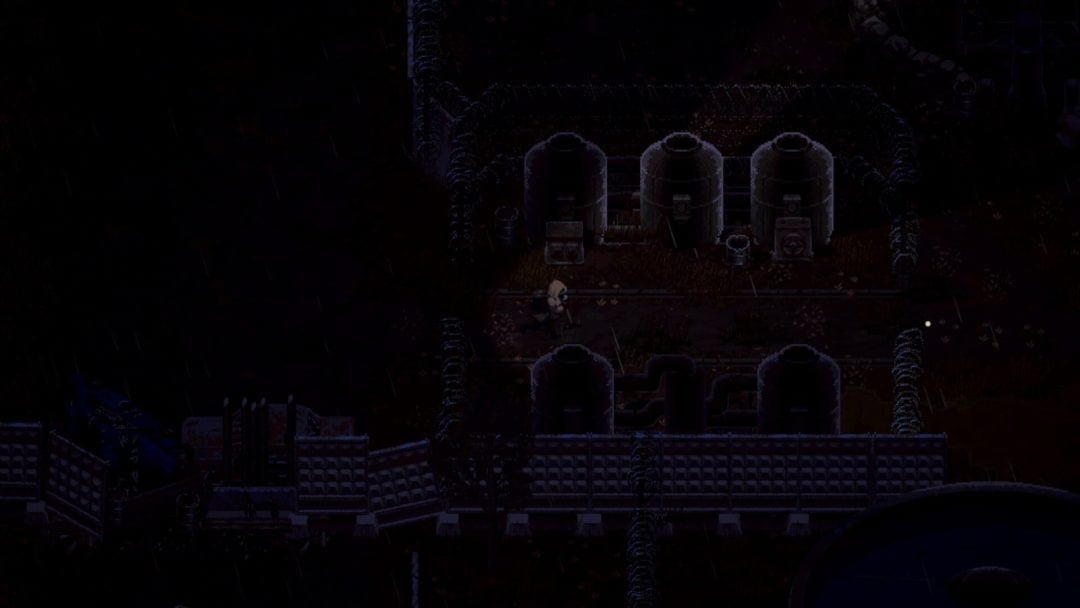
The Life system is one of Scavland’s most distinctive features, and one of the least explained in the UI. While you are planning a route or reading the journal, NPCs, creatures, and factions are already moving. Patrols travel. Beasts wander. Factions run into each other and fight without you. You can hear gunfire in the distance, go and look, and arrive after it is over.
This page explains how the system works, how to use it to your advantage, and why ignoring it leads to ambushes you did not earn.
What the Life system actually does
Public materials confirm: NPCs, factions, and creatures move and interact on their own. The Life system runs continuously across Zalesye, not only in your immediate vicinity. A squad that spawned near a farm may march toward a road. A beast pack may drift toward water. Two faction patrols who hate each other may collide in a valley while you are still in town.
This is not a simulation toggle. It is baked into the world state. When NoShadow says the world feels alive, the Life system is what they mean.
Why new players take longest to understand it
Every survival game tells you the world moves. Scavland makes it mechanically relevant rather than cosmetic. If you assume a cleared road stays clear, a returned NPC stays returned, and a quiet valley stays quiet, you will be surprised in ways that cost gear.
The most practical habit the Life system teaches: check sight lines before you loot, and check the journal before you assume a job is still available.
How to use the Life system strategically
Listen before you move. Gunfire in the distance is data. A fight between factions you are not friendly with is a potential distraction — or a trap. Approaching a resolved fight lets you loot the aftermath, but it also means whoever won is still nearby.
Time your raids around patrol patterns. If you learned that a bunker entrance faces a road where a squad walks every in-game day, approach when the patrol is elsewhere. The journal does not show patrol schedules, but observation does.
Use NPC movement for information. If a trader NPC is absent from their usual spot, something moved them. That is a Life system event you can investigate rather than accept.
Life system and combat
Combat in Scavland is already high-stakes. The Life system adds a layer where fights can start without your involvement. A creature that wandered into a faction camp, a dispute between two groups, or a squad chasing a third-party target all create encounters that exist before you arrive.
This means:
- A clear area is not permanently clear. Check corners even in areas you have cleared.
- Noise attracts attention from beyond your direct view. A firefight you cannot see can draw creatures or other NPCs toward your position.
- Bunker enemies follow internal logic. The armory guard that patrols a corridor is following a Life pattern, not a script that resets on a timer you can exploit.
Read the combat and stealth pages alongside this one. The Life system is the reason stealth sometimes fails even when you did everything right — something moved into your route while you were planning.
Life system and factions
Ten factions track standing and move across Zalesye. The Life system is why faction reputation is not only about quests turned in. If two factions are hostile to each other and you help one, the other may have moved against your interests while you were elsewhere.
The factions page explains the named groups. The reputation page explains how standing changes shop access. The Life system is the connective tissue: it is why those numbers are not purely within your control.
Life system and survival
Radiation zones, water sources, and Mist pockets all have dynamic behavior the Life system governs. A safe passage through a radiation swamp may become unsafe if a creature pack moves through it. The survival page covers the hazard mechanics; this page is about how those hazards move.
What this means for your runs
The practical takeaway:
- Assume the map is always active, even when you are reading the journal.
- Listen for distant gunfire. It is a system event, not ambience.
- Check your route before you commit. Patrols move on their own schedule.
- Use faction conflicts as cover. Two groups fighting each other are not watching for you.
- Do not assume a cleared bunker stays cleared. Life patterns continue inside.
The Life system is what separates Scavland from a loot spreadsheet with a timer. It rewards patience and observation, and it punishes assumptions. Learn to read it, and Zalesye becomes significantly more survivable.
Frequently Asked Questions
Quick answers to the most common questions.
What is the Life system in Scavland?
The Life system is how NPCs, creatures, and factions move independently across Zalesye. Patrols travel, beasts wander, and factions encounter each other without player input. This runs continuously, not only in your direct view.
How does the Life system affect combat?
Fights can start without you. Gunfire in the distance means a Life event is happening. Approaching a resolved fight lets you loot the aftermath, but the winner may still be nearby. Noise from your fights can also draw creatures or NPCs toward you.
Can I use the Life system to my advantage?
Yes. Listen for distant gunfire — faction conflicts or creature encounters create distractions and loottable aftermaths. Learn patrol patterns to time your approach. Use NPC movement as information about world state.
Does the Life system affect faction reputation?
Indirectly. Factions move and encounter each other on their own. If you help one faction, their rivals may act against you while you are elsewhere. The Life system is why reputation is not purely within your control.